Does the sight of your kitchen exhaust hood look less like a sleek appliance and more like a geological cross-section of burnt butter and forgotten dinners? If your range hood is accumulating layers of sticky, dark residue, you’re not alone. Kitchen grease and cooking particles are relentless, creating a build-up that is not only unsightly but can also impact the hood's efficiency. Ignoring this buildup is like letting a small leak become a flash flood—eventually, it becomes a much bigger, more costly problem. Successfully tackling visible grime removal from kitchen exhaust hood requires more than just elbow grease; it demands the right techniques, understanding of materials, and sometimes, a little bit of professional muscle. This comprehensive guide will equip you with the knowledge to restore your hood to its original, pristine glory, ensuring both aesthetic appeal and peak performance in your culinary domain.
Understanding the Enemy: What Causes Kitchen Grime?
Before we dive into the deep end of cleaning, we need to understand what we are up against. Kitchen grime is not a single substance; it is a complex cocktail of polymerized fats, carbonized sugars, aerosolized proteins, and general cooking residue. This sticky mess adheres to the hood's metal, filters, and vents, creating a protective, yet detrimental, layer.
The Science of Grease Build-Up
Grease particles are oily and hydrophobic, meaning they resist water. When they mix with airborne dust and cooking steam, they undergo a process called polymerization. This process transforms liquid grease into a hard, tar-like substance that acts like a glue, cementing itself to every surface it touches. It’s tougher than it looks, and simply wiping it off is often futile.
Why Cleaning Matters Beyond Looks
While the aesthetic appeal is the most immediate concern, the function of the hood is paramount. A heavily soiled hood cannot effectively capture smoke and grease. This reduced efficiency means that pollutants and fine particles are merely being pushed out, not removed, potentially circulating back into the kitchen. Furthermore, deep buildup can impede the proper functioning of the electrical components, leading to potential overheating or reduced air flow.
DIY Deep Cleaning: Tackling the Grime Yourself
For the motivated homeowner, tackling visible grime removal from kitchen exhaust hood is certainly doable, provided you approach the task systematically and with the correct materials. Think of this process less like a quick wipe-down and more like a miniature industrial deep clean.
Essential Tools and Materials
You do not want to treat this like cleaning a bathroom sink. The materials needed are specialized:
- Degreasers: Commercial-grade degreasers formulated for heavy kitchen fats are your best friends. Avoid anything too acidic or caustic if your hood is made of delicate metals like polished aluminum. Scrapers and Brushes: Soft-bristle brushes and plastic scrapers are ideal for removing hardened buildup without scratching the metal. Safety Gear: Always wear gloves and eye protection. These chemicals can be potent, and you don't want to turn your kitchen into a hazmat zone!
The Filter Cleaning Process
The filters are often the worst culprits, acting like miniature grease collectors.
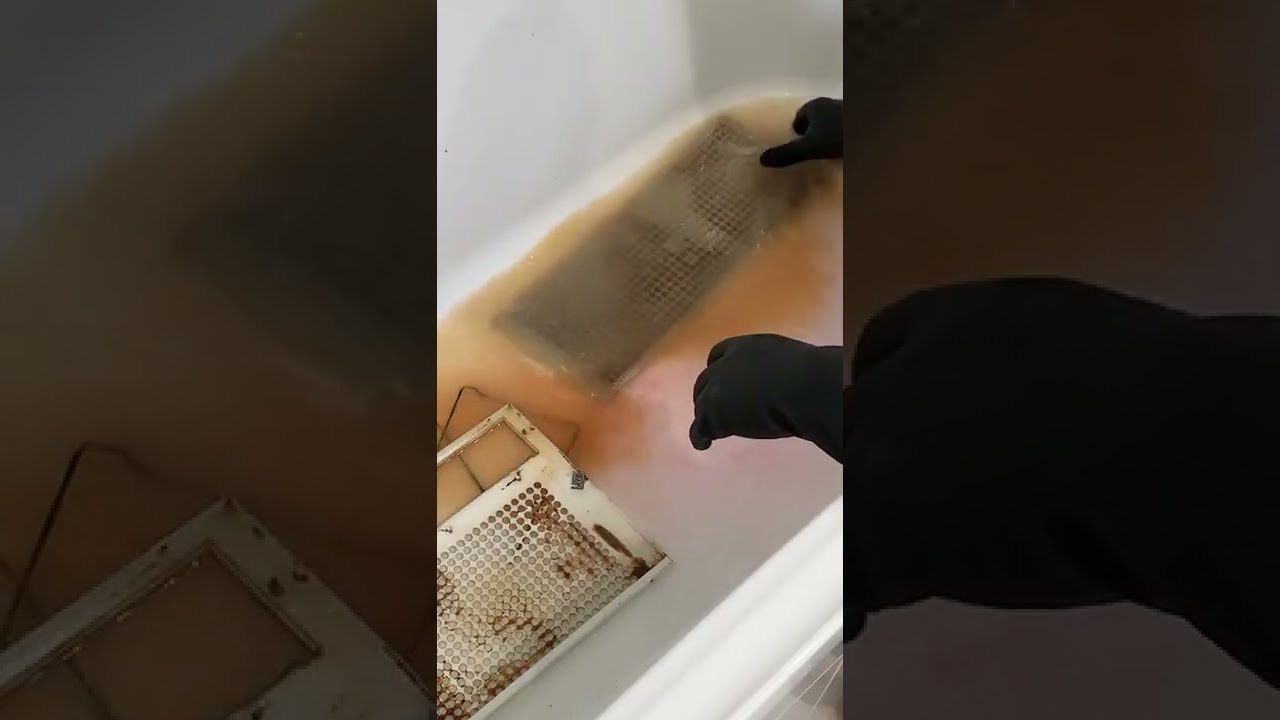
- Soaking: Many grease filters can be soaked overnight in a hot solution of degreaser and water. This allows the chemical action to do the heavy lifting. Scrubbing: Once the grime has softened, use a stiff brush to gently scrub the remaining buildup. Rinse thoroughly until the water runs completely clear.
Dealing with the Hood Body
The main body of the hood requires a different approach. After removing the filters, wipe down the exterior and interior surfaces with a mild degreaser solution. Pay special attention to the seams and edges where grime tends to accumulate, forming those infamous dark streaks.
"The greatest discovery of all time is that a human being can persuade himself to believe in anything." — Unknown. But in our case, we are simply persuading ourselves that we can restore this hood!
When to Call in the Professionals: Knowing Your Limits
While the rangehood cleaning CBD DIY approach is empowering, there are times when the grime buildup is simply too deep, too hardened, or too extensive for a weekend warrior to handle. This is where professional help becomes not a luxury, but a necessity.
Recognizing Extreme Buildup
If the buildup has reached the point where it has started to caramelize or blacken deeply into the metal, chemical soaking alone may not be enough. The grease has essentially become part of the hood structure.
The Value of Expertise
Professional services utilize specialized, industrial-strength cleaning equipment—sometimes involving steam cleaning or chemical poultices—that are far beyond standard consumer products. They also have the knowledge to identify the specific make and model of your hood, ensuring that the cleaning methods are safe for its materials.
I recall cleaning a vintage, industrial-grade hood that had been neglected for decades. The grease was so thick, it felt like it had been fossilized. My initial attempts with commercial degreasers only softened the top layer; the core residue required specialized blasting techniques that only a professional service could safely deploy.
Maintaining Peak Performance: Prevention is Key
The ultimate goal of tackling visible grime removal from kitchen exhaust hood is not just cleaning it once, but keeping it clean. Prevention is far easier and less expensive than remediation.
Implementing Daily Habits
A few simple habits can drastically reduce the severity of buildup:
- Filter Cleaning: Clean the removable grease filters at least once a month, even if you don't notice visible grime. Ventilation: Always use your exhaust hood when cooking, even for simple tasks like boiling pasta. Wipe Down: Keep a microfiber cloth handy and wipe down the exterior and visible interior surfaces after every major cooking session.
Making Your Selection Count
When the time comes to choose a service, look for companies that emphasize safety, thoroughness, and use environmentally responsible degreasers. Don't settle for a quick spray-and-go service; you need a deep restoration. A reliable service will provide an estimate, clearly detailing the scope of work, from filter soaking to full body degreasing.
Ultimately, a clean exhaust hood is not just a sign of a tidy kitchen; it is a silent indicator of a well-maintained, efficient home. By understanding the science of grease, knowing when to grab a scrubbing brush, and recognizing the limits of DIY cleaning, you can ensure your kitchen remains a place of culinary delight, free from the tyranny of hardened, visible grime.
HygieneXperts - Commercial & Residential Cleaning Services
12C Tungarra Rd Girraween NSW 2145 Australia,
61498203983